In some embodiments, the otic formulation or composition comprises about 0.4% by weight of the viscosity modulating agent(s)
Athletes: for recovery, endurance, and injury prevention Surgical patients: to heal incisions, scars, and soft tissue damage Functional medicine patients: for autoimmune, gut, and inflammation protocols Biohackers: for general regeneration, tissue repair, and neuroprotection What the Research Says A 2018 study found that peptide therapy accelerated the healing of tendons and ligaments
The cell biology of mitochondrial membrane dynamics
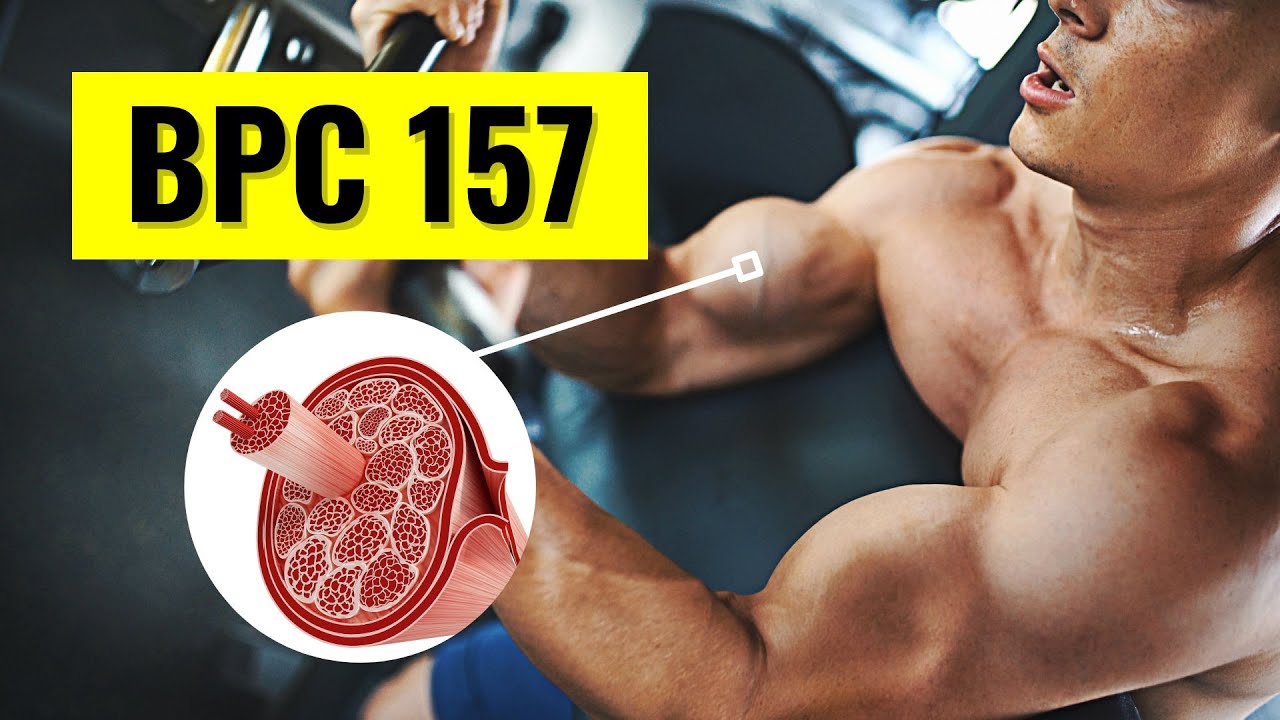
Potential Benefits Skin wound healing: investigated for accelerated wound closure and organized skin repair through collagen synthesis, angiogenesis, and fibroblast activation Collagen and elastin production: copper-dependent lysyl oxidase activation in fibroblasts supports structural crosslinking of new connective tissue Anti-aging and anti-wrinkle: topical GHK-Cu and its palmitoyl derivative (Pal-GHK) are investigated for facial skin rejuvenation, wrinkle reduction, and skin firmness improvement Hair follicle stimulation: investigated for hair growth support through follicle reactivation and improved scalp vascularity Post-surgical wound recovery: skin and soft tissue repair following surgical procedures, particularly where collagen remodeling and scar minimization are clinical goals Anti-inflammatory: NF-kB pathway suppression and cytokine reduction at wound and injury sites, reducing the chronic inflammatory phase that impairs tissue repair GI mucosal healing: demonstrated in ulcerative colitis models through inhibition of the SIRT1/STAT3 signaling pathway, reducing inflammatory cytokines and promoting tight junction protein expression Antioxidant defense: activation of superoxide dismutase and catalase reduces oxidative stress and reactive oxygen species at sites of tissue damage Neuroprotective properties: preclinical research has investigated GHK-Cu for nerve regeneration support and gene expression changes relevant to neurological repair Combination synergy with BPC-157 and TB-500: GHK-Cu contributes copper-dependent enzyme activation and gene expression regulation to complement the VEGF angiogenesis of BPC-157 and the cell migration signaling of TB-500 in comprehensive wound healing protocols Speak with a physician Interested in GHK-Cu

As a defined small molecule, 5-Amino-1MQ is a "tool compound" in the classical pharmacology sense useful for probing NNMT biology specifically