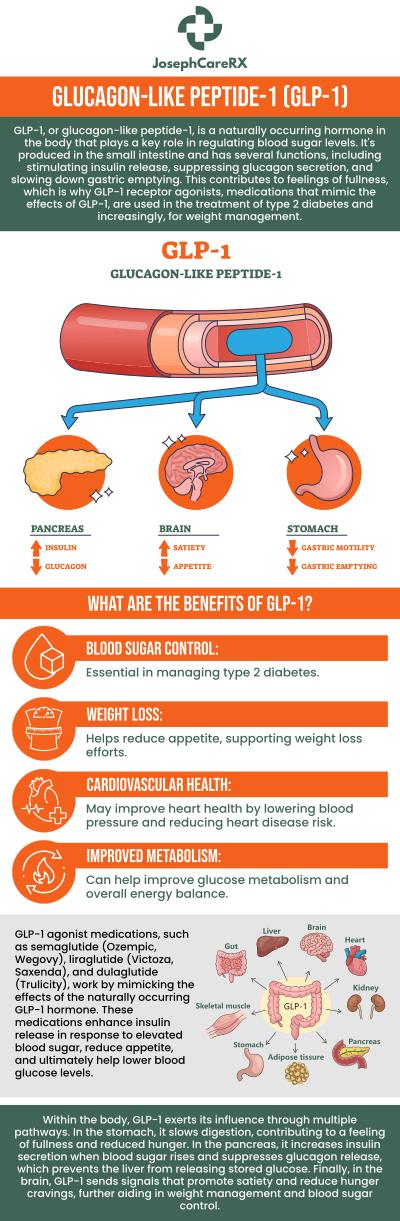
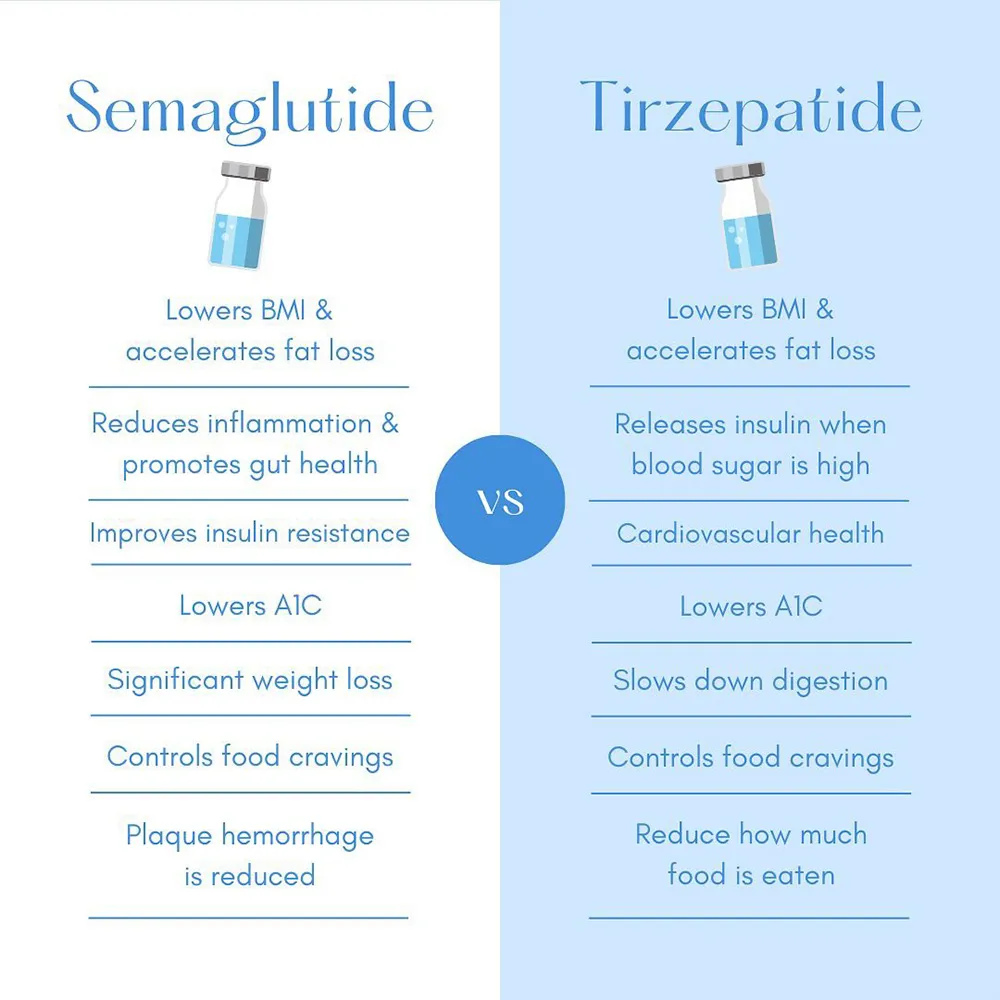
GLP-1 therapies influence pathways tied to addiction and reward, according to the Endocrine Society A randomized clinical trial published in JAMA Psychiatry found semaglutide reduced alcohol cravings and consumption Users commonly report: Reduced desire to drink Feeling full faster when drinking Less reward from alcohol The data: early, but directionally consistent While long-term industry sales data is still developing, the early signals from clinical studies, observational research, and population polling all point in the same direction: GLP-1 use is associated with lower alcohol consumption for at least some users
It also flags type 1 and type 2 diabetes, a history of eating disorders, cardiovascular disease, and use of other glucose-lowering medications, citing higher risk of hypoglycemia, dehydration, and nutrient depletion
A systematic review of five RCTs found that supplementation with 200 g of selenium daily for 8 to 12 weeks reduced insulin resistance, inflammation, and oxidative stress [149]
Someday such a drug that is the real deal might be proven, but again were not there yet
doi:10.1007/s10803-017-3125-1CrossRefGoogle ScholarPubMed Pearson, DA, Santos, CW, Aman, MG, et al