Metabolism & Elimination Limited characterization of specific metabolic pathways has been published for both peptides: CJC-1295 (NO DAC): Peptidase-mediated degradation represents primary metabolic pathway Four amino acid substitutions provide enhanced resistance to dipeptidyl peptidase-IV Metabolites and degradation products not fully characterized in published literature Clearance from circulation within hours despite sustained pharmacodynamic effects Ipamorelin: Clearance of 0.078 L/h/kg in human pharmacokinetic studies Rapid elimination from plasma following distribution phase Metabolic pathways likely involve proteolytic cleavage at peptide bonds No significant accumulation observed with repeated dosing in animal models A notable pharmacokinetic-pharmacodynamic disconnect exists: despite relatively short plasma half-lives (30 minutes to 2 hours), growth hormone secretory effects persist for 6+ hours, suggesting either active metabolites, tissue retention, or persistent receptor signaling cascade activation

Cytoprotective Effects: Offering cell protection, it enhances cell resilience and longevity
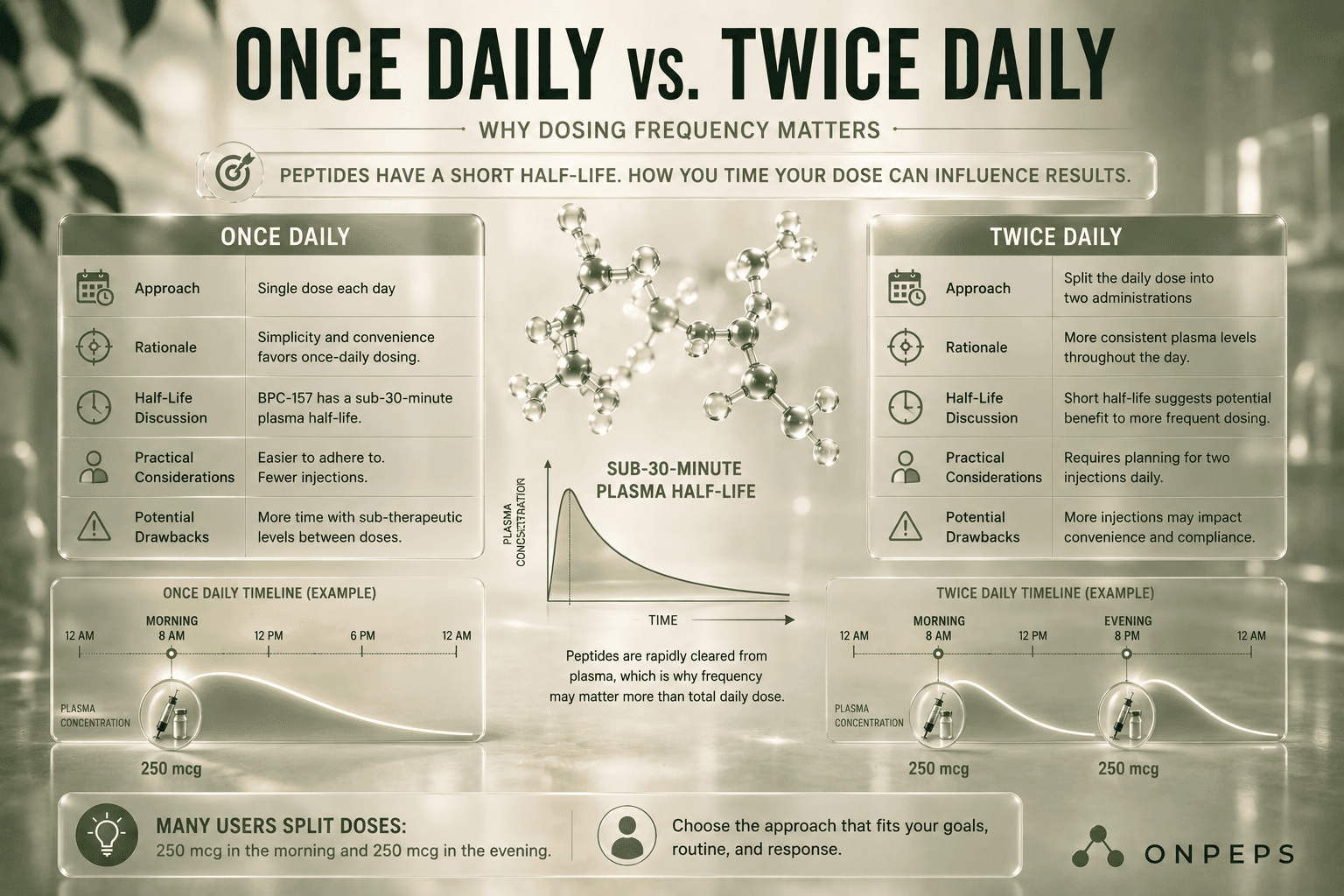
Some advanced protocols split the daily dose into two administrations, morning and evening
For related research compounds see our full range including MK677 Ibutamoren, RAD140 Testolone, Cardarine GW501516 and Ostarine MK2866
Phase 1: Activation (Weeks 14) Dose: 1.64.8 mg Daily GHK-Cu activates collagen production while its copper component enables proper structural cross-linking BPC-157 builds the network of small blood vessels needed to feed active tissue TB-4 mobilizes and organizes repair cells KPV simultaneously suppresses inflammatory interference Expected: Skin hydration improves, tone evens, texture softens, redness decreases