When we eat, glucose in our bloodstream triggers GLP-1 to release insulin
This is not theoretical speculation
GLP-1 reduces intracellular ROS, prevents oxidative stress injury, and increases cellular protection in arterial endothelial and smooth muscle cells [70, 71]
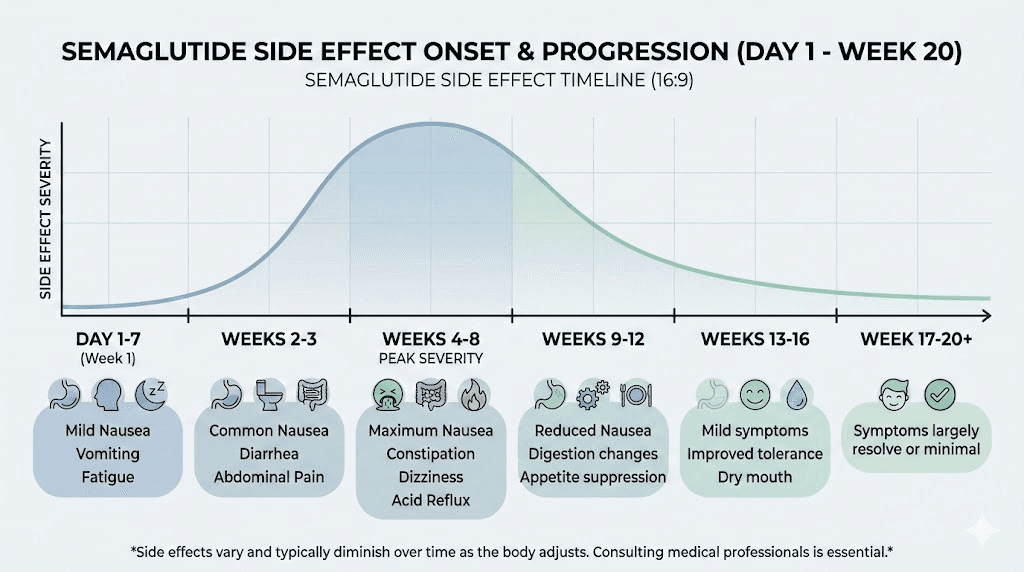
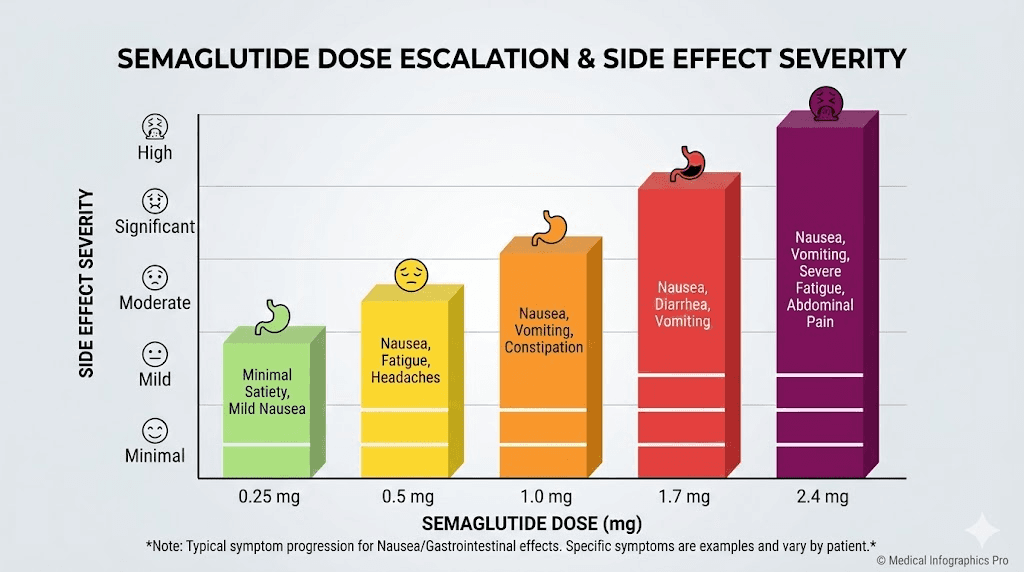
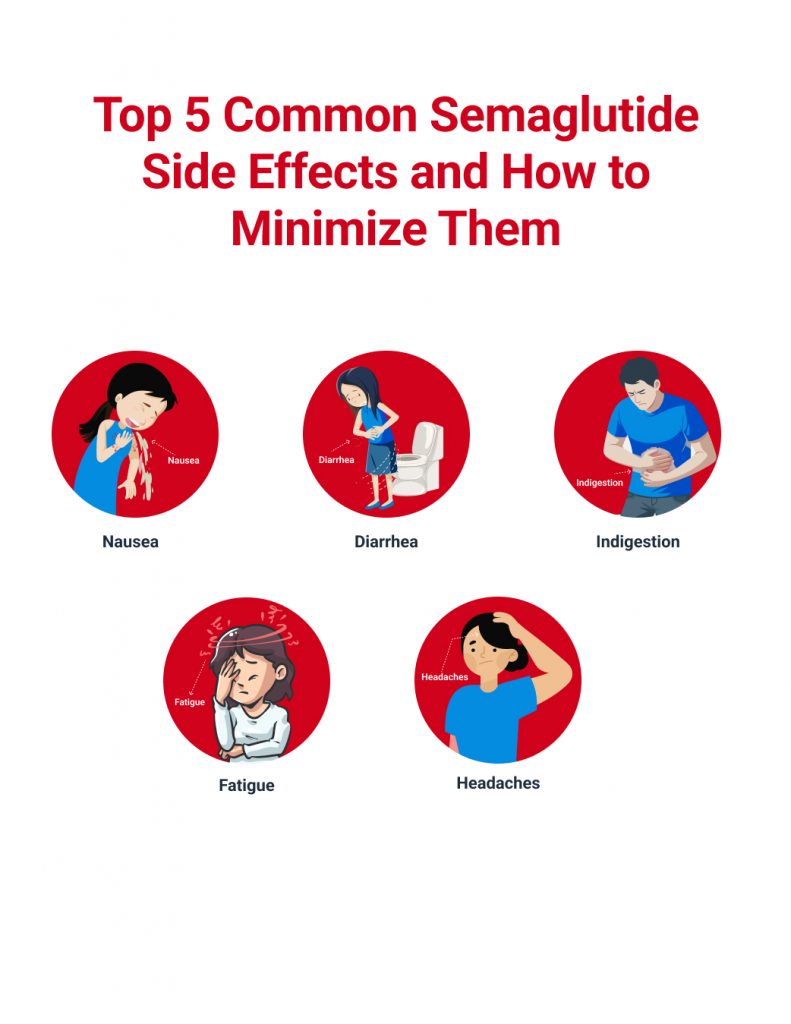
The most common adverse effects are gastrointestinal in nature, reflecting the medication's mechanism of action on GLP-1 and GIP receptors in the digestive system
CrossRef Case Report: Posterior reversible encephalopathy syndrome after lenvatinib treatment for hepatocellular carcinoma Minchun Chen, Jing Shen, Rongrong Jia, Mingze Chang, Jingyi Zhang, Jie Zheng, Runqing Xue, Lulu Guo, Kangkang Yan Frontiers in Pharmacology .2025;[Epub] CrossRef Prognostic value of neutrophil-to-lymphocyte ratio in patients with hepatocellular carcinoma receiving curative therapies: a systematic review and meta-analysis Jinxiang Peng, Haozhu Chen, Zhuang Chen, Jinmei Tan, Feng Wu, Xiaojuan Li BMC Cancer .2025;[Epub] CrossRef Management of hepatocellular carcinoma in elderly and adolescent/young adult populations Han Ah Lee Journal of Liver Cancer .2025