Dairy Products : Milk, cheese, and yoghurt contain significant amounts of B12
How to Inject BPC-157 Safely Under Medical Guidance Subcutaneous Injections: Simple and Effective Best for: Systemic healing or mild injuries Location: Abdomen or near the injured area Needle: 2931 gauge, inch Technique Clean vial top and skin with an alcohol pad Draw reconstituted peptide with a sterile syringe Pinch skin and inject at a 4590 angle Dispose of the needle properly Intramuscular Injections: Deeper Targeting Best for: Deep tissue, ligament, or tendon repair Needle: 2730 gauge, 1 inch Inject near injury site for maximum effect Rotate injection sites to prevent irritation Stacking BPC-157 With Other Peptides BPC-157 + TB-500 Goal: Accelerate healing and flexibility Protocol: BPC-157 250500 mcg daily (local injection) TB-500 25 mg weekly (divided doses) These two peptides complement each other: BPC-157 targets the injured tissue, while TB-500 promotes systemic healing
How do I know if my dog needs B12? Signs of deficiency B12 deficiency can manifest in several ways that affect your dogs overall well-being: Fatigue and lethargy: Reduced energy conversion means less pep in their step
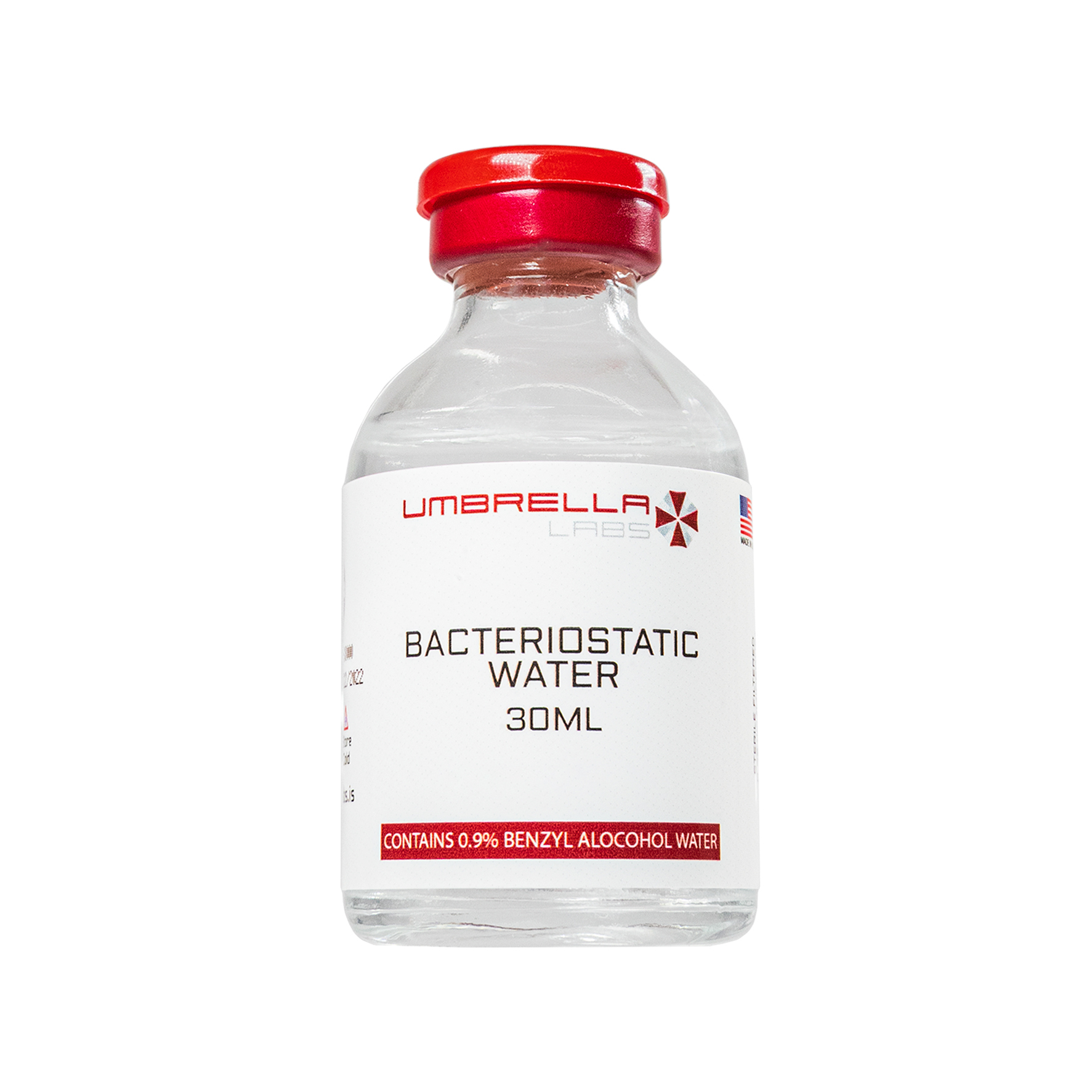
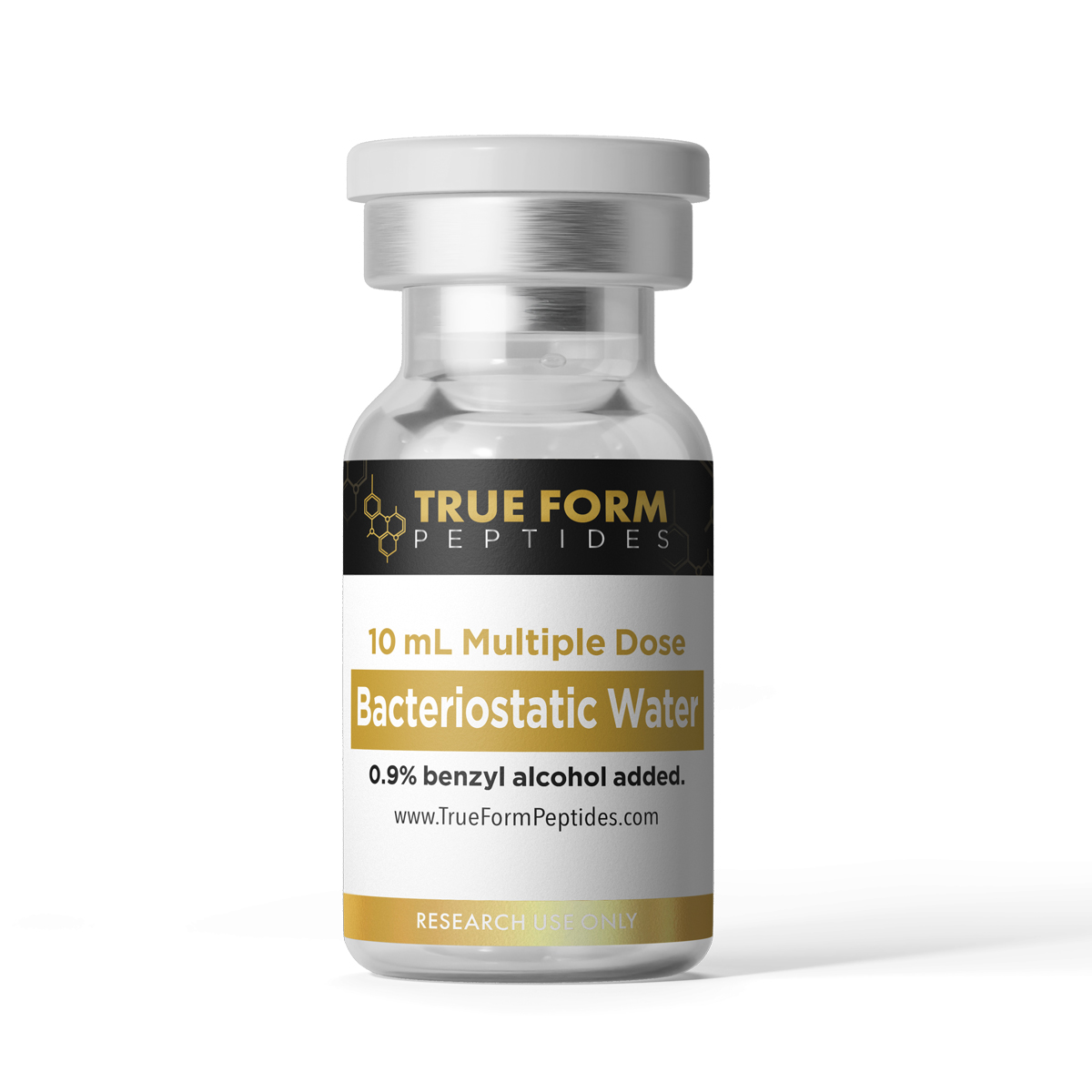
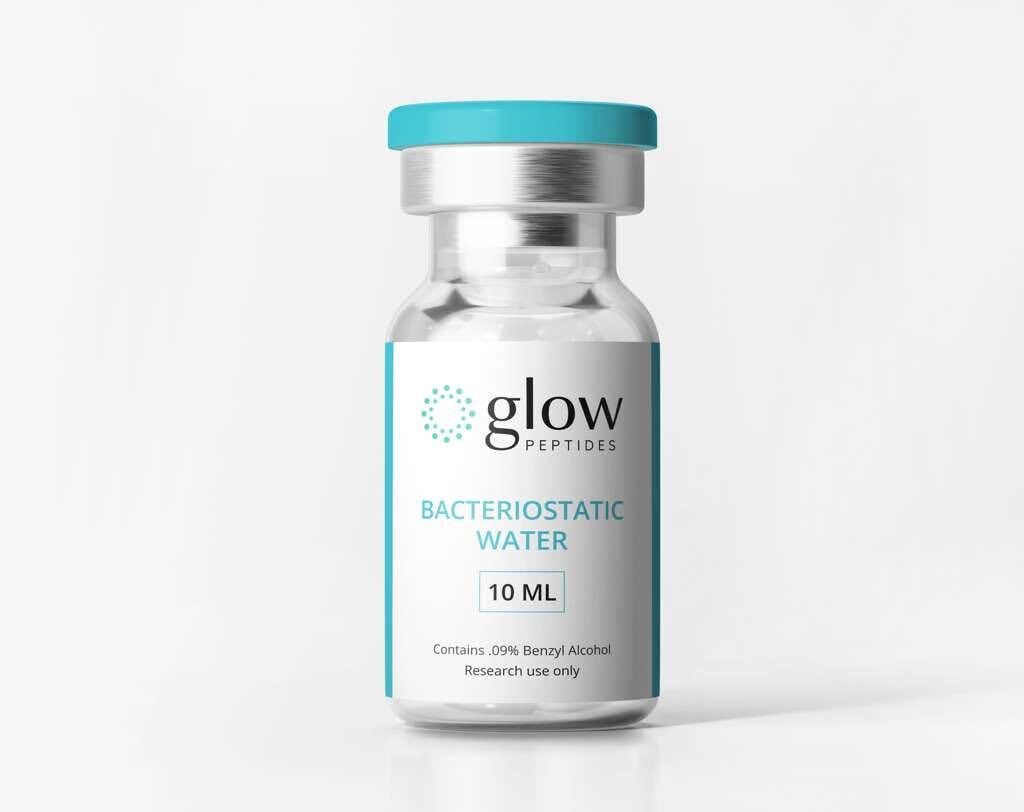
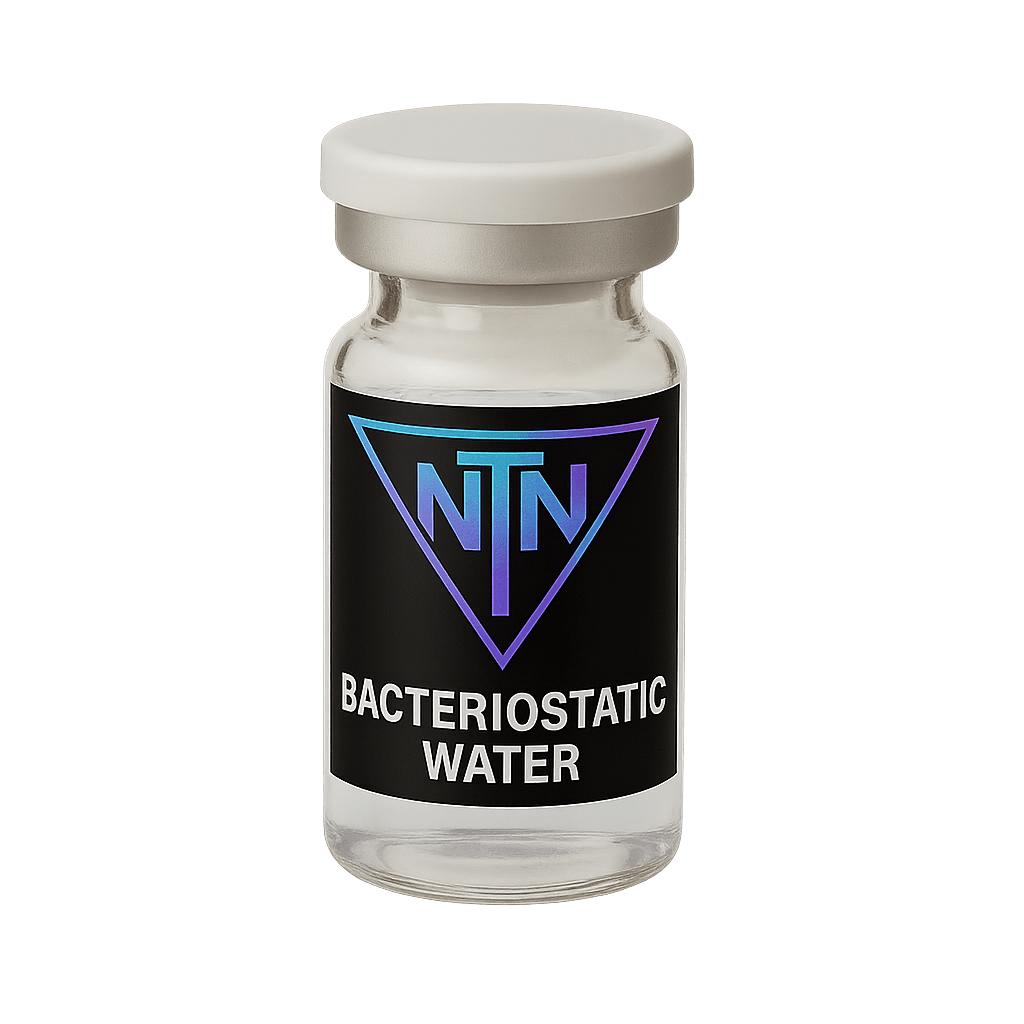
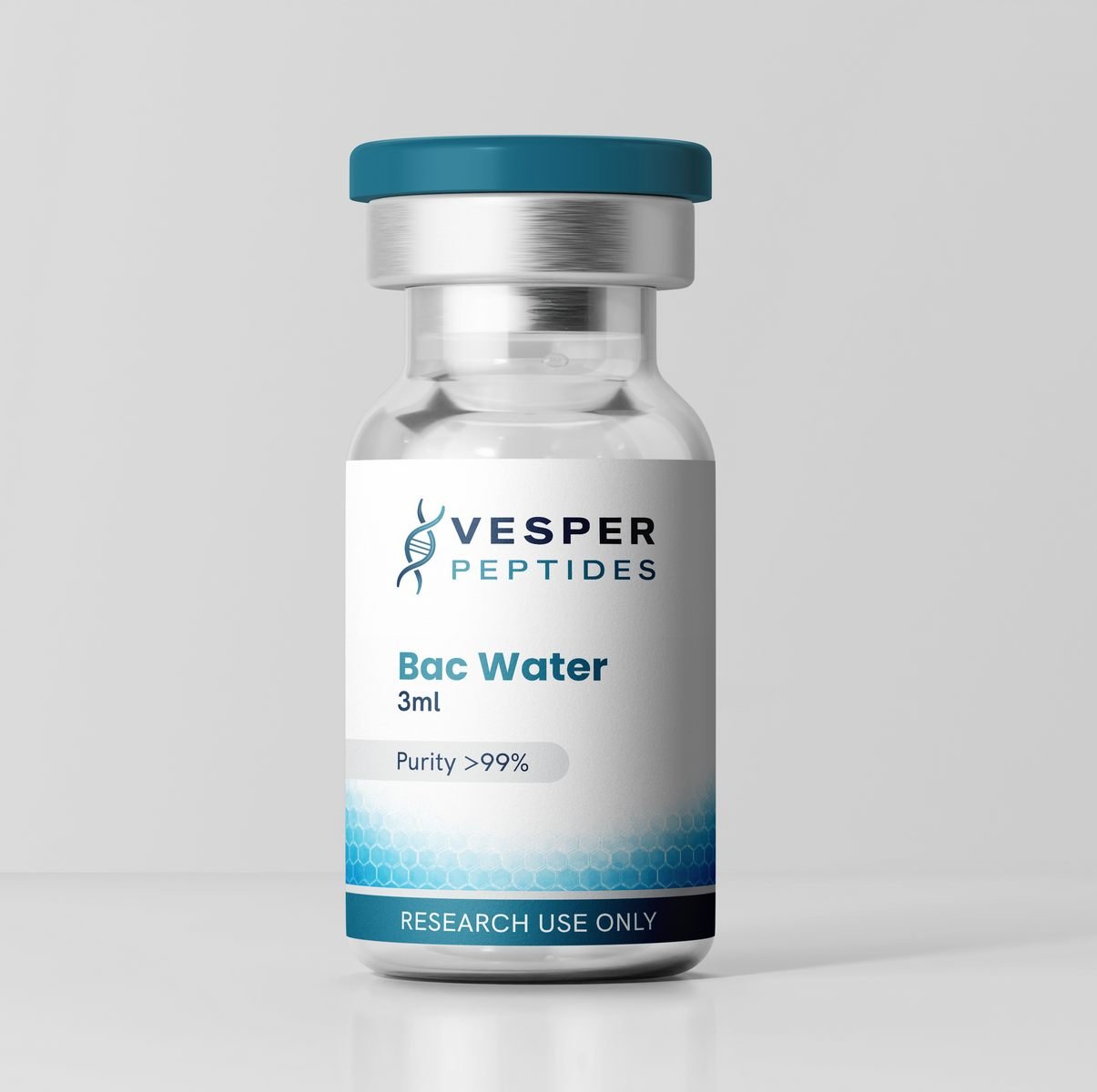
Its function is bacteriostatic, meaning it inhibits the growth and reproduction of bacteria, which allows for safe, repeated withdrawals from the same vial
Enhances Circulation & Nerve Oxygenation B12 supports red blood cell production & blood flow , improving oxygen and nutrient delivery to damaged nerves