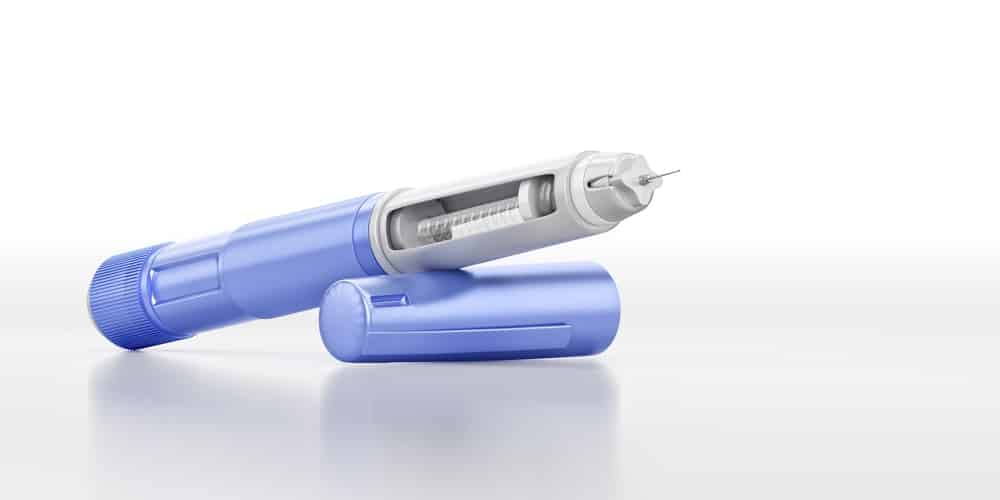
Common semaglutide side effects are typically digestive, including nausea, vomiting, diarrhea, constipation, stomach pain, and bloating
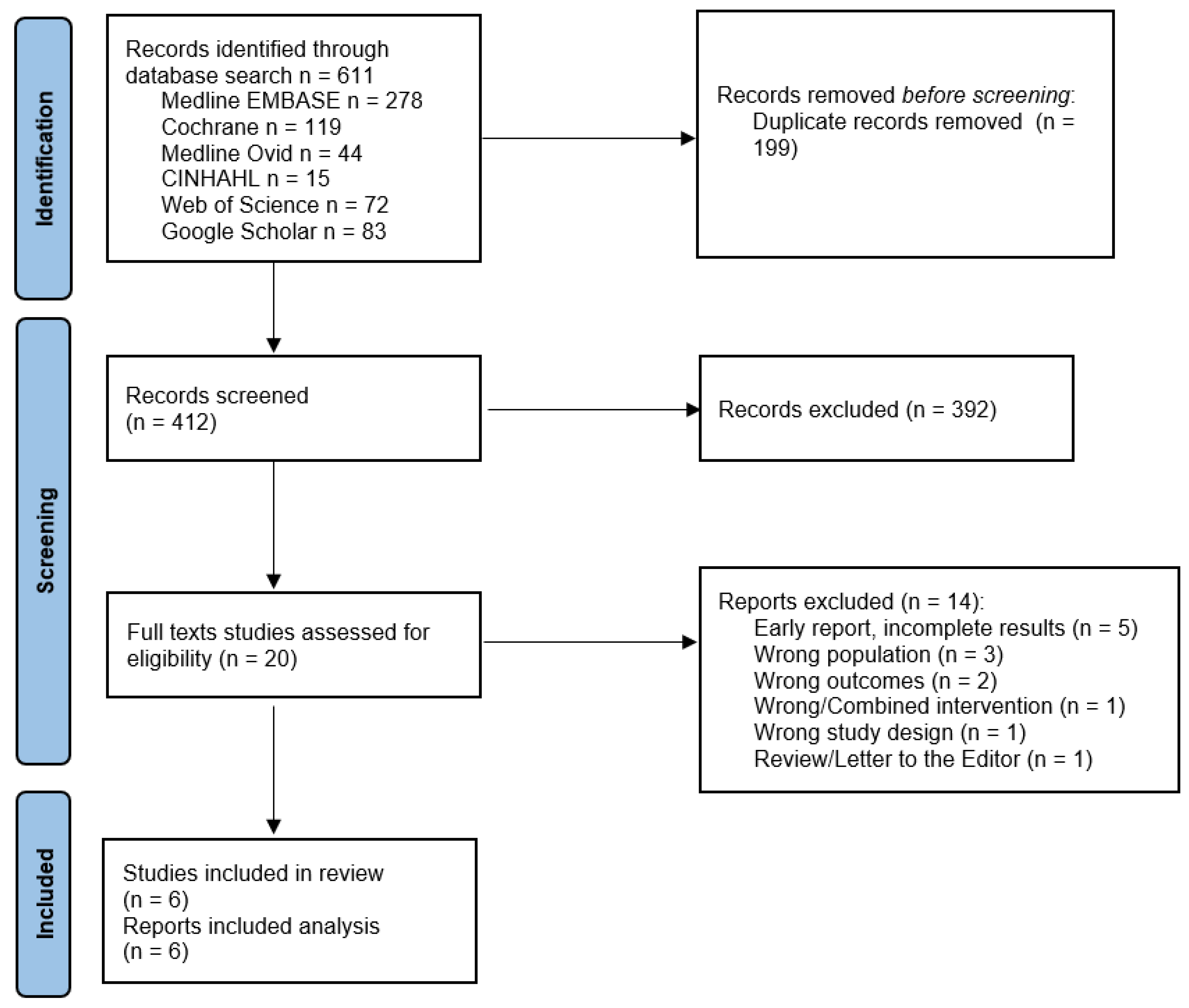
Each group took a different dosage of semaglutide, either a 14 mg dosage, a 25 mg dosage, or a 50 mg dosage, for 52 weeks

Indications and Usage Ozempic (semaglutide) injection 0.5 mg, 1 mg, or 2 mg and Ozempic (semaglutide) tablets 4 mg or 9 mg are indicated: as an adjunct to diet and exercise to improve glycemic control in adults with type 2 diabetes Ozempic injection is indicated: to reduce the risk of major adverse cardiovascular (CV) events (CV death, nonfatal myocardial infarction, or nonfatal stroke) in adults with type 2 diabetes and established CV disease to reduce the risk of sustained eGFR decline, end-stage kidney disease, and cardiovascular death in adults with type 2 diabetes and chronic kidney disease Ozempic tablets are indicated: to reduce the risk of major adverse cardiovascular (CV) events (CV death, nonfatal myocardial infarction, or nonfatal stroke) in adults with type 2 diabetes who are at high risk for these events Important Safety Information for Ozempic WARNING: RISK OF THYROID C-CELL TUMORS In rodents, semaglutide causes dose-dependent and treatment-duration- dependent thyroid C-cell tumors at clinically relevant exposures

Importantly, semaglutide does not suppress appetite through stimulant effects (like phentermine) or by altering serotonin pathways (like older weight loss drugs)
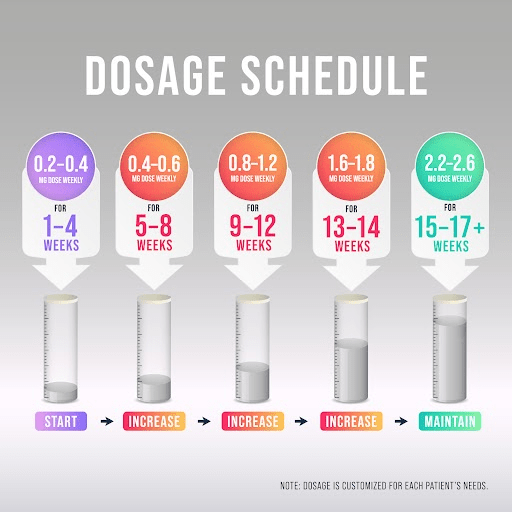
If you have coverage, your provider can prescribe 0.25 mg and instruct you on microdose administration